“It’s our polite nudge in the ribs to help you and your team stay organised and on task.”
This week’s subject is Child directed learning.
Element 1.2.3: Each child’s agency is promoted, enabling them to make choices and decisions that influence events and their world.
How intentionally do educators create genuine opportunities for children to influence decisions, shape their learning experiences and exercise agency throughout the day, during play, across routines, environments and the educational program?
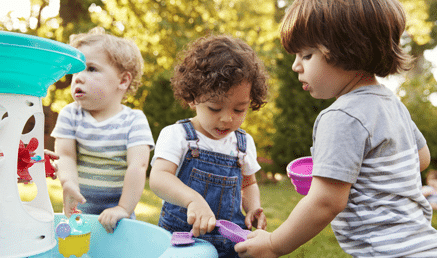
Child-directed learning is far more than allowing children to choose between activities. It’s a deliberate pedagogical approach that recognises children as capable, competent and active participants in their own learning. Educators intentionally promote each child’s agency by creating meaningful opportunities for children to make decisions, express their ideas, influence their environment and contribute to experiences that matter to them.
Element 1.2.3 requires educators to actively promote children’s agency, enabling them to make choices and decisions that influence events and their world. This occurs when educators value children’s perspectives, listen with genuine intent, share decision-making, and thoughtfully balance child-led learning with intentional teaching and responsive scaffolding.
When children experience authentic agency, they develop a stronger sense of identity, confidence and belonging. They learn that their ideas are valued, their voices matter, and that they are capable of influencing their own learning. These experiences foster resilience, independence, critical thinking, creativity, collaboration and problem-solving skills that support lifelong learning.
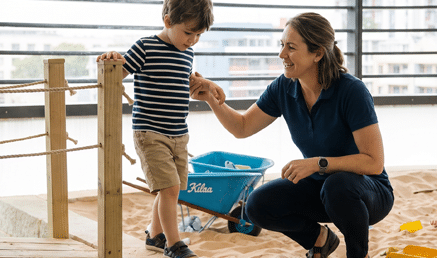
Importantly, child-directed learning doesn’t mean educators step back entirely, rather, educators make intentional pedagogical decisions about when to lead, when to scaffold, and when to step back, allowing children sufficient time, space and ownership to investigate, experiment and extend their own thinking.
Quality practices to strengthen child-directed learning:
Services can strengthen children’s agency by embedding child-directed learning across all aspects of the educational program and daily practice, including:
-
- Designing indoor and outdoor environments that invite exploration, curiosity and independent decision-making through a wide range of open-ended, flexible resources.
- Using children’s interests, strengths, questions and emerging ideas to inform planning, investigations and long-term projects.
- Providing extended periods of uninterrupted play so children can sustain thinking, revisit ideas and deepen learning.
- Remaining responsive when children’s interests evolve, adapting planned experiences rather than expecting children to follow predetermined activities.
- Supporting children to make meaningful decisions throughout the day, including routines, transitions, mealtimes, group experiences, risk assessment, project work and the organisation of learning environments.
- Involving children in planning learning spaces by seeking their ideas about resources, room layouts, provocations and outdoor experiences.
- Encouraging children to contribute to service routines and responsibilities, such as caring for gardens, preparing learning materials, setting up environments or suggesting improvements to shared spaces.
- Using intentional teaching strategies, including open-ended questioning, sustained conversations, modelling, feedback and shared problem-solving, to extend children’s thinking while maintaining children’s ownership of the learning.
- Supporting children to assess risks, test theories, negotiate with peers and solve problems independently before intervening.
- Ensuring children with additional needs, diverse abilities, varying communication styles or diverse cultural and linguistic backgrounds are provided with equitable opportunities to express preferences, make decisions and influence their learning.
- Using visual supports, communication systems and multiple ways for children to express their ideas so every child can participate in decision-making.
- Providing opportunities for children to vote, negotiate, plan experiences together and collaboratively establish expectations for shared spaces and projects.
- Regularly documenting children’s ideas, questions and decisions, and demonstrating how these have influenced curriculum planning and future experiences.
- Collaborating with families to gain deeper insight into children’s interests, strengths, culture, aspirations and capabilities, ensuring these are reflected within the educational program, routines and transitions.
Supporting children’s agency involves far more than asking, “Would you like to paint or play outside?” Genuine child-directed learning occurs when children help shape what happens, how learning unfolds and where investigations lead.
Educators promote agency when they:
-
- actively listen to children’s perspectives
- genuinely consider children’s suggestions
- negotiate decisions alongside children
- provide opportunities for children to initiate experiences
- acknowledge children as capable contributors whose ideas influence curriculum decisions.
When children see their ideas translated into action, they develop confidence that their contributions are valued and worthwhile. This strengthens engagement, wellbeing and motivation to learn while fostering a culture of mutual respect and collaboration.
Questions to guide team reflection:
As part of your ongoing critical reflection, consider:
-
- How consistently are children given genuine opportunities to influence decisions throughout the day, rather than simply choosing between educator selected options?
- How effectively do our environments encourage independence, curiosity, exploration and child-led learning?
- How do educators balance intentional teaching with stepping back to allow children time to investigate, problem-solve and direct their own learning?
- In what ways do children’s ideas directly influence curriculum planning, environments, routines and long-term projects?
- How do we ensure every child, including children with diverse abilities, languages and communication styles, can meaningfully participate in decision-making?
- How do educators intentionally scaffold children’s decision-making without taking over or directing the outcome?
- Do our daily routines provide opportunities for children to exercise agency, or are they predominantly educator directed?
- How do we document children’s voices and demonstrate how their ideas have informed future planning?
- How do partnerships with families strengthen our understanding of each child’s interests, culture, strengths and aspirations?
- How do educators intentionally foster children’s confidence to negotiate, take considered risks, persist with challenges and solve problems independently?
- How do we know children feel genuinely heard, respected and empowered within our service?
- What evidence demonstrates that children’s agency is embedded consistently across the service, regardless of educator, room or age group?
By intentionally promoting children’s agency through authentic decision-making, responsive relationships and shared ownership of learning, educators create environments where children feel respected, capable and empowered. When child-directed learning is embedded across the educational program and daily practice, children are not simply participating in experiences, they are actively shaping them, building the confidence, resilience and lifelong learning dispositions that underpin high-quality educational outcomes.
Resources:
Guide to the NQF: Element 1.2.3: Child directed learning, Exceeding guidance for Standard 1.2: Practice
ACECQA Information sheets:
Belonging, Being & Becoming Responsiveness to Children
Supporting agency: Involving children in decision-making
ECA- The Spoke: Enabling environments and children’s agency: Connecting the pieces
Within System7 go to Quality Area 1/Module 6 to submit self-assessment notes and if required, open a QIP issue if you identify any areas of improvement.
Within QIP Desk go to element 1.2.3 to submit your key practices and if required, create a QIP Goal for areas of improvement.
The Desktop has a range of resources to assist services with educational program and practice and child directed learning. These include Educational Program Policy, Assessment and Planning Cycle Guide and Procedure, All About Me- Child Introduction Form, Critical Reflection Template, Observation Record, Educational Program and Practice Procedure, Program Template and much more.
Resources, NQS Element, Regulation and System7 links:
The Desktop – The Desktop
National Quality Standard – QA 1/ 1.2.3- Child directed learning
National Regulations – 73, 74, 155, 156
System7 Module – QA 1/ Module 6
If you have any questions, send us a note via the Contact page here!