“It’s our polite nudge in the ribs to help you and your team stay organised and on task.”
This week’s subject is: Collaborative learning.
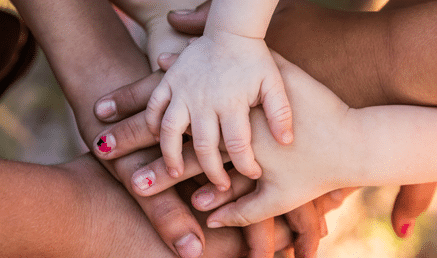
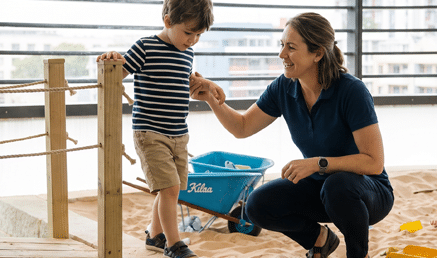
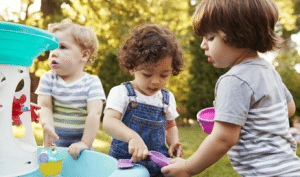
Element 5.2.1: Children are supported to collaborate, learn from and help each other.
How intentionally do the educators create everyday opportunities for children to learn with, from and alongside one another, and how do these experiences strengthen children’s agency, communication, relationships and sense of belonging?
Quality practice is evident when educators intentionally create learning environments where children are encouraged to share ideas, solve problems collaboratively, negotiate roles, support one another and actively contribute to shared learning experiences. Rather than simply participating alongside their peers, children are empowered to learn with and from one another through meaningful interactions that foster empathy, resilience, confidence, communication skills and an appreciation that every person’s ideas, perspectives and contributions are valued.
The Early Years Learning Framework V2.0 and My Time, Our Place V2.0 recognise that children are active participants in their learning and capable contributors to their communities. Educators play a critical role in designing environments, modelling respectful relationships and scaffolding collaborative experiences that enable children to build positive relationships, develop social competence and experience the benefits of working towards shared goals. As collaborative learning becomes embedded in everyday practice, children develop lifelong skills for teamwork, leadership, problem-solving and respectful participation within their communities.
Quality practices to strengthen collaborative learning:
-
-
- Intentionally planning learning experiences that require children to work collaboratively towards shared goals, supporting them to negotiate ideas, make decisions together and contribute according to their individual strengths, capabilities and interests.
-
- Using sustained shared thinking and intentional teaching strategies to extend collaborative learning, asking open-ended questions that encourage children to exchange perspectives, justify their thinking, solve problems collectively and build upon one another’s ideas.
-
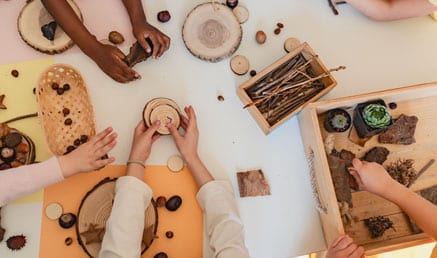
- Designing flexible indoor and outdoor learning environments that naturally invite children to gather, investigate, create and collaborate using shared, open-ended and loose parts resources.
-
- Embedding opportunities for collaborative learning throughout everyday routines, enabling children to work together when setting up learning environments, caring for resources, preparing meals, participating in sustainability initiatives and contributing to the service community.
-
- Intentionally scaffolding children’s developing communication, negotiation and conflict resolution skills, supporting them to respectfully express their ideas, listen to others, negotiate differing viewpoints and reach shared decisions.
-
- Drawing upon educators’ knowledge of each child’s strengths, interests, capabilities and relationships to thoughtfully group children in ways that foster inclusion, peer learning and meaningful collaboration.
-
- Supporting children to appreciate diverse perspectives by facilitating respectful discussions about fairness, inclusion, empathy, belonging and the impact of their actions on others.
-
- Ensuring collaborative learning opportunities are equitable and accessible by adapting environments, communication strategies and teaching approaches to enable every child to participate meaningfully.
-
- Creating genuine opportunities for children to participate in shared decision-making about their learning by contributing ideas, planning investigations, selecting resources, establishing group expectations and reflecting on completed projects.
-
- Planning long-term collaborative investigations that emerge from children’s interests, enabling children to revisit ideas, contribute different perspectives and co-construct knowledge over time.
-
- Intentionally recognising and building upon children’s spontaneous collaborative play by extending learning through responsive interactions, additional resources and thoughtful questioning.
-
- Providing opportunities for children to demonstrate leadership and mentor peers through meaningful responsibilities and shared decision-making.
-
- Modelling collaborative relationships through respectful interactions with children, families and colleagues, demonstrating active listening, shared problem-solving, cooperation and professional collaboration.
-
- Documenting collaborative learning strategies and processes, making children’s thinking visible, promoting reflective practice and inform planning.
- Critically reflecting on how educator practices, routines, transitions and learning environments either enable or limit opportunities for children to collaborate and using these reflections to drive continuous improvement.
-
When educators consistently create environments where children exchange ideas, solve problems together, respectfully challenge each other’s thinking and contribute to shared goals, they nurture confident, capable learners who value teamwork, diversity and belonging. Embedding collaborative learning across every aspect of the program ensures children experience themselves not only as learners, but as valued contributors whose ideas, relationships and actions positively influence their learning community.
Resources:
Guide to the NQF: QA 5 Relationships with Children, Standard 5.2: Relationships between children, Element 5.2.1: Collaborative Learning
Educational Frameworks: The Early Years Learning Framework V2.0, 2022, My Time, Our Place V2.0
ACECQA Information sheets: EYLF Principles – Collaborative Leadership and Teamwork, MTOP Principles – Collaborative Leadership and Teamwork, MTOP Principles – Collaboration with children and young people
Within QIPDesk go to element 5.2.1 to submit your key practices and if required, create a QIP Goal for areas of improvement.
Within System7 go to Quality Area 5/ Module 5 to submit self-assessment notes and if required, open a QIP issue if you identify any areas of improvement.
The Desktop has a range of resources to assist services with QA5, Relationships with children. These include Interactions with Children, families and Staff Policy, Educational Program Policy, Program Template, Observation Record, Critical Reflection Template, Behaviour Guidance Guide Promoting and Supporting Positive Behaviour, Meeting Minutes Template and much more.
Resources, NQS Element, Regulation and System7 links:
The Desktop – The Desktop
National Quality Standard – QA 5/ 5.2.1 – Collaborative Learning
National Regulations – 73 – Educational program, 74 – Documenting of child assessments or evaluations for delivery of educational program, 155 – Interactions with children, 156 – Relationships in groups, 168 – Education and care service must have policies and procedures
System7 Module – QA 5/ Module 5
QIPDesk – Element 5.2.1
If you have any questions, send us a note via the Contact page here!